Policy & World
AI regulation and governance across the EU, US, China, UK and Asia: the AI Act, national strategies, safety institutes and global policy moves.
AI regulation and governance across the EU, US, China, UK and Asia: the AI Act, national strategies, safety institutes and global policy moves.
Latest in Policy & World
30 stories
President Trump’s Ratepayer Protection Pledge Secures American AI Dominance, Protects Consumers
Today, President Donald J. Trump heralded a historic expansion of the Ratepayer Protection Pledge, bringing more than 200 additional utilities, data center deve…
Actions by the United States in the Investigations under Section 301 of the Trade Act of 1974 of the Acts, Policies, and Practices of 60 Economies Related to the Failure of Each Economy to Impose and Effectively Enforce a Prohibition on the Importation of Goods Produced with Forced Labor
MEMORANDUM FOR THE UNITED STATES TRADE REPRESENTATIVE Subject: Actions by the United States in the Investigations under Section 301 of the Trade Act of 1974 of …

Kick-off of new GenAI pilots for public administration & Apply AI stakeholder meeting
Kick-off of new GenAI pilots for public administration & Apply AI stakeholder meeting Anonymous (not verified) Wed, 07/22/2026 - 16:18 14 September 2…
Trump Administration Announces More Than $5 Billion for the Genesis Mission, a National Mission on AI for Science
WASHINGTON, DC — Today, Assistant to the President and Director of the White House Office of Science and Technology Policy Michael Kratsios unveiled more …
OSTP Director Releases Landmark Report and Recommendations for Renewing American Scientific Discovery
WASHINGTON, DC – Today, Assistant to the President and Director of the White House Office of Science and Technology Policy (OSTP) Michael Kratsios published a n…
Presidential Message on the Anniversary of the Liberation of Guam
Today, our Nation marks the 82nd anniversary of the American liberation of Guam—the day the United States shattered a brutal occupation and carried freedom back…
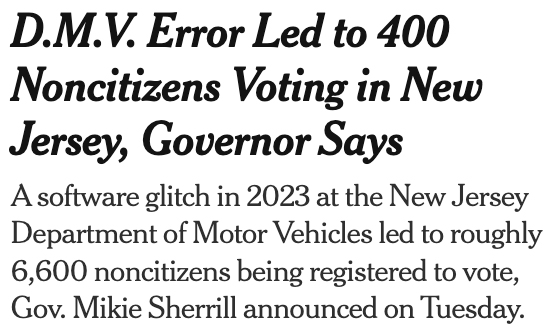
Democrat “Glitch” Registers Thousands of Noncitizens to Vote: Another Reason to Pass the SAVE America Act
Democrat New Jersey Gov. Mikie Sherrill admitted today that a “software glitch” registered approximately 6,600 noncitizens to vote in her state between 2023 and…
Nominations Sent to the Senate
NOMINATIONS SENT TO THE SENATE: D. Adam Candeub, of the District of Columbia, to be an Assistant Attorney General. Nicholas Checker, of Wisconsin, to be Ambassa…
President Trump’s Working Families Tax Cuts Ignite Manufacturing Renaissance Across All 50 States
One year after President Donald J. Trump signed the Working Families Tax Cuts into law, a new report confirms the legislation has delivered a powerful manufactu…
Presidential Message on Space Exploration Day
On Space Exploration Day, we commemorate one of the greatest achievements in the history of our Republic:  landing Americansupon the surface of the Mo…
Imposing Additional Duties to Offset Canadian Discrimination Against the Commerce of the United States with Respect to Dairy
BY THE PRESIDENT OF THE UNITED STATES OF AMERICA A PROCLAMATION 1.  Section 338 of the Tariff Act of 1930 (19 U.S.C. 1338) (section 338) empowers the Presi…
Imposing Additional Duties to Offset Canadian Discrimination Against the Commerce of the United States with Respect to Alcoholic Beverages
BY THE PRESIDENT OF THE UNITED STATES OF AMERICA A PROCLAMATION 1. Section 338 of the Tariff Act of 1930 (19 U.S.C. 1338) (section 338) empowers the President t…
Fact Sheet: President Donald J. Trump Imposes Additional Tariffs on Canada
DEFENDING AMERICAN WORKERS AND ENSURING FAIR TRADE: Today, President Donald J. Trump signed three Proclamations pursuant to Section 338 of the Tariff Act o…
Imposing Additional Duties to Offset Canadian Discrimination Against the Commerce of the United States with Respect to Motor Vehicles
BY THE PRESIDENT OF THE UNITED STATES OF AMERICA A PROCLAMATION 1.  Section 338 of the Tariff Act of 1930 (19 U.S.C. 1338) (section 338) empowers the Presi…
Made in America Week, 2026
BY THE PRESIDENT OF THE UNITED STATES OF AMERICA A PROCLAMATION For two and a half centuries, America’s proud legacy has been shaped by visionaries and bu…
Captive Nations Week, 2026
BY THE PRESIDENT OF THE UNITED STATES OF AMERICA A PROCLAMATION During Captive Nations Week, we stand in solidarity with all who suffer beneathcommuni…
Nomination Sent to the Senate
NOMINATION SENT TO THE SENATE: Richard Schroyer, of Oklahoma, to be an Assistant Secretary of Homeland Security. The post Nomination Sent to the Senate appeared…
Securing America’s Defense Supply Chains and Ensuring Domestic Acquisition of Critical Materials
By the authority vested in me as President by the Constitution and the laws of the United States of America, it is hereby ordered: Section 1. Policy. The United…
Fact Sheet: President Donald J. Trump Secures America’s Defense Supply Chains and Ensures Domestic Acquisition of Critical Materials
SECURING AMERICA’S DEFENSE SUPPLY CHAINS: Today, President Donald J. Trump signed an Executive Order to secure America’s defense supply chains for the cutt…
Further Strengthening Actions Taken to Adjust Imports of Aluminum into the United States
BY THE PRESIDENT OF THE UNITED STATES OF AMERICA A PROCLAMATION 1.  In Proclamation 9704 of March 8, 2018 (Adjusting Imports of Aluminum Into the United St…
Fact Sheet: President Donald J. Trump Takes Further Action To Adjust Imports Of Aluminum Into The United States
BOLSTERING DOMESTIC MANUFACTURING OF PRIMARY ALUMINUM: Today, President Donald J. Trump signed a Proclamation using his authority under Section 232 of the …

Digital Talent EU Days 2026 in Dublin
Digital Talent EU Days 2026 in Dublin Anonymous (not verified) Mon, 07/20/2026 - 15:02 15 October 2026 - 16 October 2026 Trinity Business School, …

Commission publishes guidelines on transparency obligations for providers and deployers of certain AI systems
Commission publishes guidelines on transparency obligations for providers and deployers of certain AI systems Anonymous (not verified) Mon, 07/20/2026 - 09:08 T…

Commission fines AliExpress €550 million for breaching the Digital Services Act
Commission fines AliExpress €550 million for breaching the Digital Services Act Anonymous (not verified) Mon, 07/20/2026 - 10:22 Today, the European Commission …

Guidelines on transparency obligations for providers and deployers of AI systems
Guidelines on transparency obligations for providers and deployers of AI systems Anonymous (not verified) Mon, 07/20/2026 - 08:58 These guidelines define the sc…
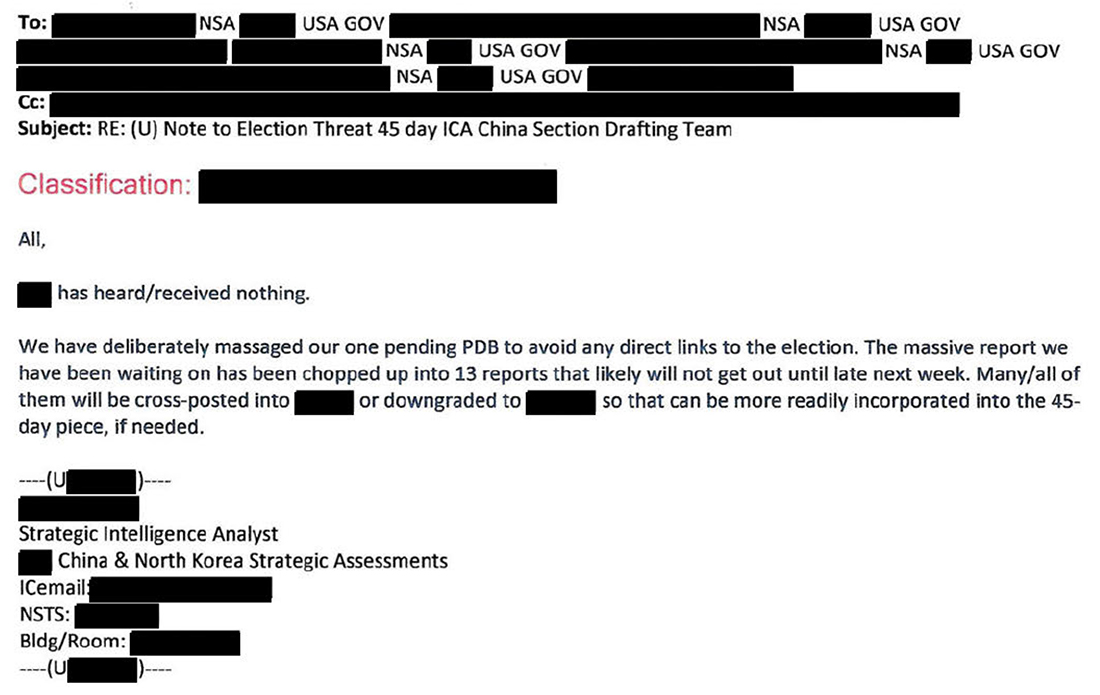
SETTING THE RECORD STRAIGHT: President Trump Declassifies Intel on Foreign Election Interference and Deep State Coverup
Last night, President Donald J. Trump released newly declassified intelligence that had been hidden from the American people for years. The documents reveal tha…
WHAT THEY ARE SAYING: President Trump Exposes Bombshell Evidence of Foreign Election Interference and Deep State Suppression
In a powerful primetime address, President Donald J. Trump released newly declassified documents that reveal foreign election interference, serious vulnerabilit…

Advanced Virtual Human Twins (VHT) Platform - Annual Event
Advanced Virtual Human Twins (VHT) Platform - Annual Event Anonymous (not verified) Fri, 07/17/2026 - 11:30 20 October 2026 - 21 October 2026 Brus…
Trump Administration Unleashes Global Campaign to Crush Radical Left Terrorism
Today, the Trump Administration convened senior officials from governments around the world to launch an unprecedented global offensive against the transnationa…

Commission accepts X’s action plan to comply with Digital Services Act
Commission accepts X’s action plan to comply with Digital Services Act Anonymous (not verified) Thu, 07/16/2026 - 11:18 The European Commission has accepted X’s…