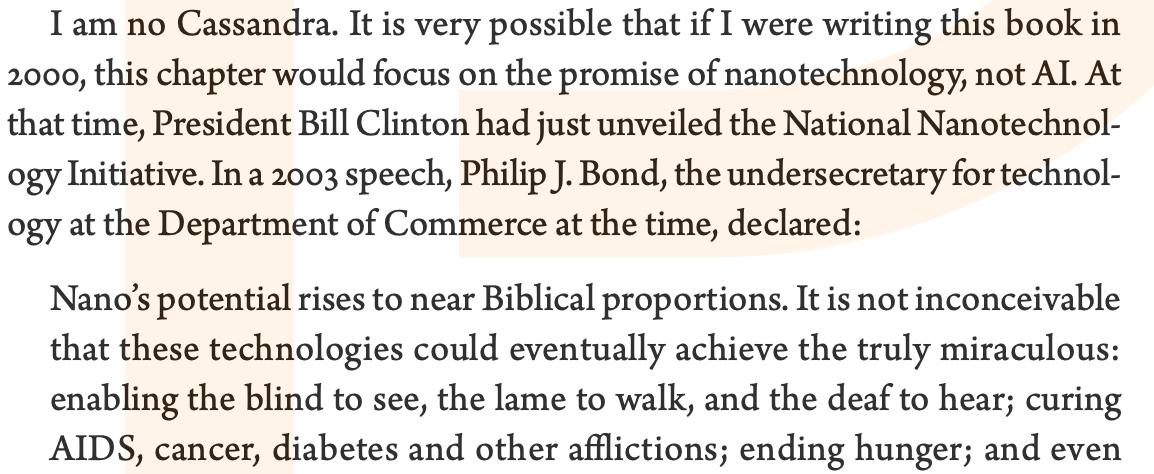
5 Companies Using NVIDIA AI for Clean Energy
Clean energy isn’t hard to come by, but the pace of large-scale adoption has historically been slow due to bottlenecks — including out-of-date infrastructure, elongated research and development timelines, and upfront cost barriers. At New York Climate Week, NVIDIA is highlighting five companies pioneering clean energy projects with AI baked into their foundation, accelerating research-to-inception […]
Overview
Clean energy isn’t hard to come by, but the pace of large-scale adoption has historically been slow due to bottlenecks — including out-of-date infrastructure, elongated research and development timelines, and upfront cost barriers.
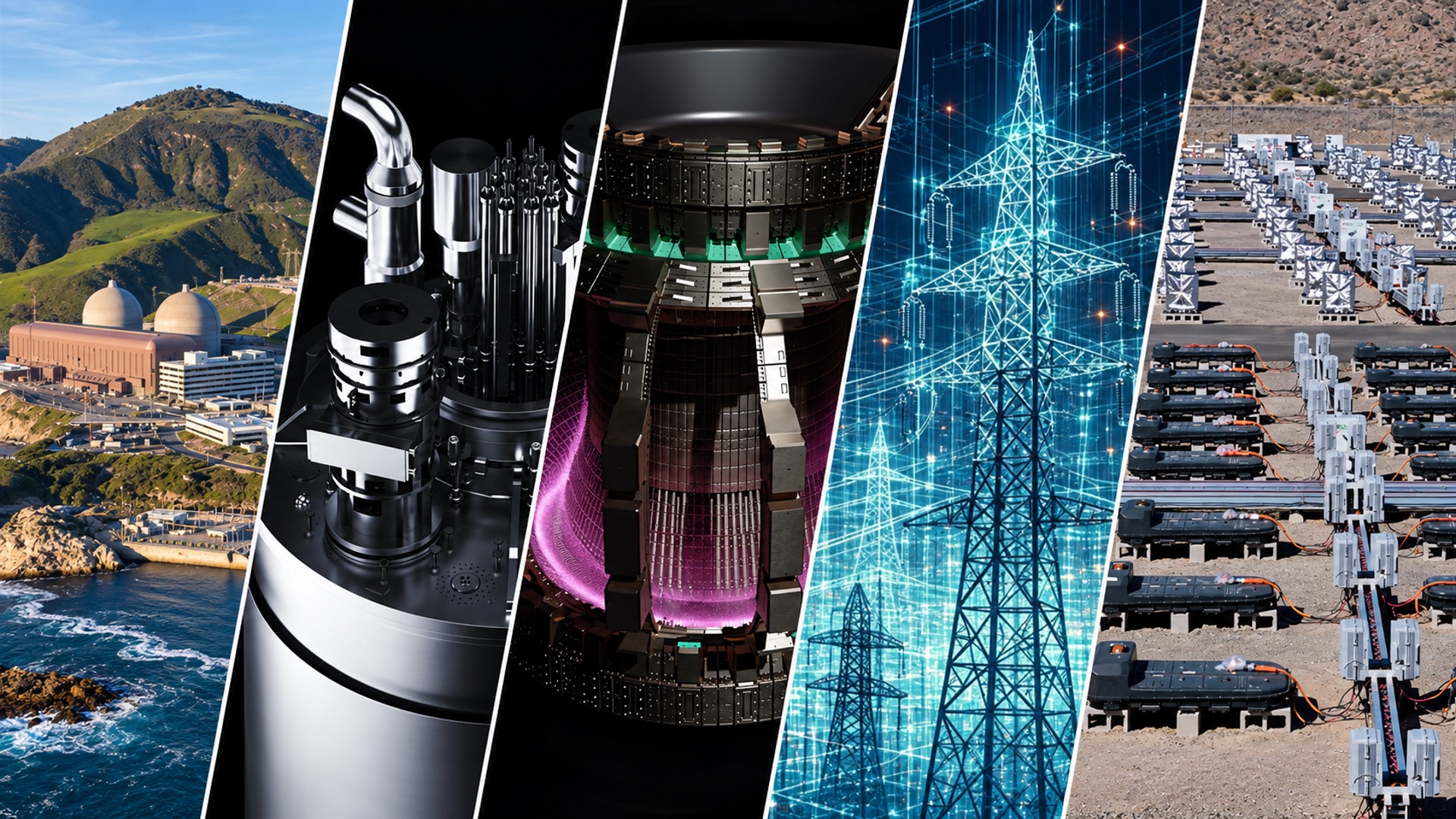
At New York Climate Week, NVIDIA is highlighting five companies pioneering clean energy projects with AI baked into their foundation, accelerating research-to-inception pipelines and ultimately helping build a low carbon grid.
ThinkLabs AI Drives Toward An Autonomous Grid With Digital Twins
ThinkLabs AI is curating digital twins and agents — using the NVIDIA CUDA platform — to speed up interconnection timelines, seamlessly integrate clean energy sources and optimize the grid to handle ongoing variability.
“The grid is getting less and less certain, so the ability to see things not statically, but as a probability — hence all the utility actions — should be risk informed,” said Josh Wong, founder and CEO of ThinkLabs, a member of the NVIDIA Inception program for cutting-edge startups. “That hits not just reliability objectives, but also affordability, so we know how to maximize and optimize investments.”
Southern California Edison used ThinkLabs software to reduce the time required to evaluate each grid interconnection application from 30-45 days to just two minutes.
The speedup came from a ThinkLabs agent that runs grid simulations and identifies solutions to interconnection barriers.
Atomic Canyon’s AI Platform Helps Redefine Operations in the Nuclear Sector
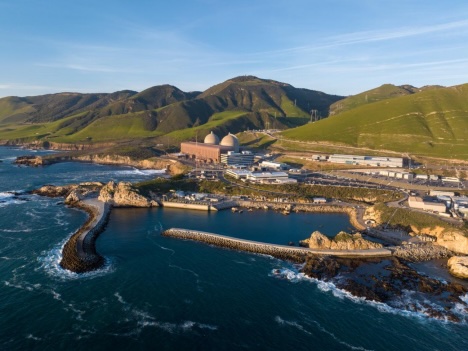
Atomic Canyon, another NVIDIA Inception member, is bringing AI-powered knowledge management and assistance to reactor operators with its NVIDIA accelerated compute-powered Neutron and NIVA platforms to streamline nuclear power plant operations.
Neutron acts as an AI workbench built for nuclear professionals. It turns all of their procedures, regulatory guidance, operating experience, licensing records, design calculations, and structured and unstructured data into a knowledge layer.
NIVA, short for Nuclear Industry Virtual Assistant, was built with the Institute of Nuclear Power Operations, Electric Power Research Institute and the Nuclear Energy Institute as a unified platform bringing AI-powered capabilities to the national nuclear fleet.
“Nuclear is a known technology we’ve been doing for 50 to 60 years, but the way we’ve been doing things simply will not scale to meet the moment that’s in front of us; it needs to be reinvigorated by artificial intelligence,” said Trey Lauderdale, founder and CEO of Atomic Canyon.
Redwood Materials’ Repurposed EV Batteries Power AI Without Waiting on the Grid
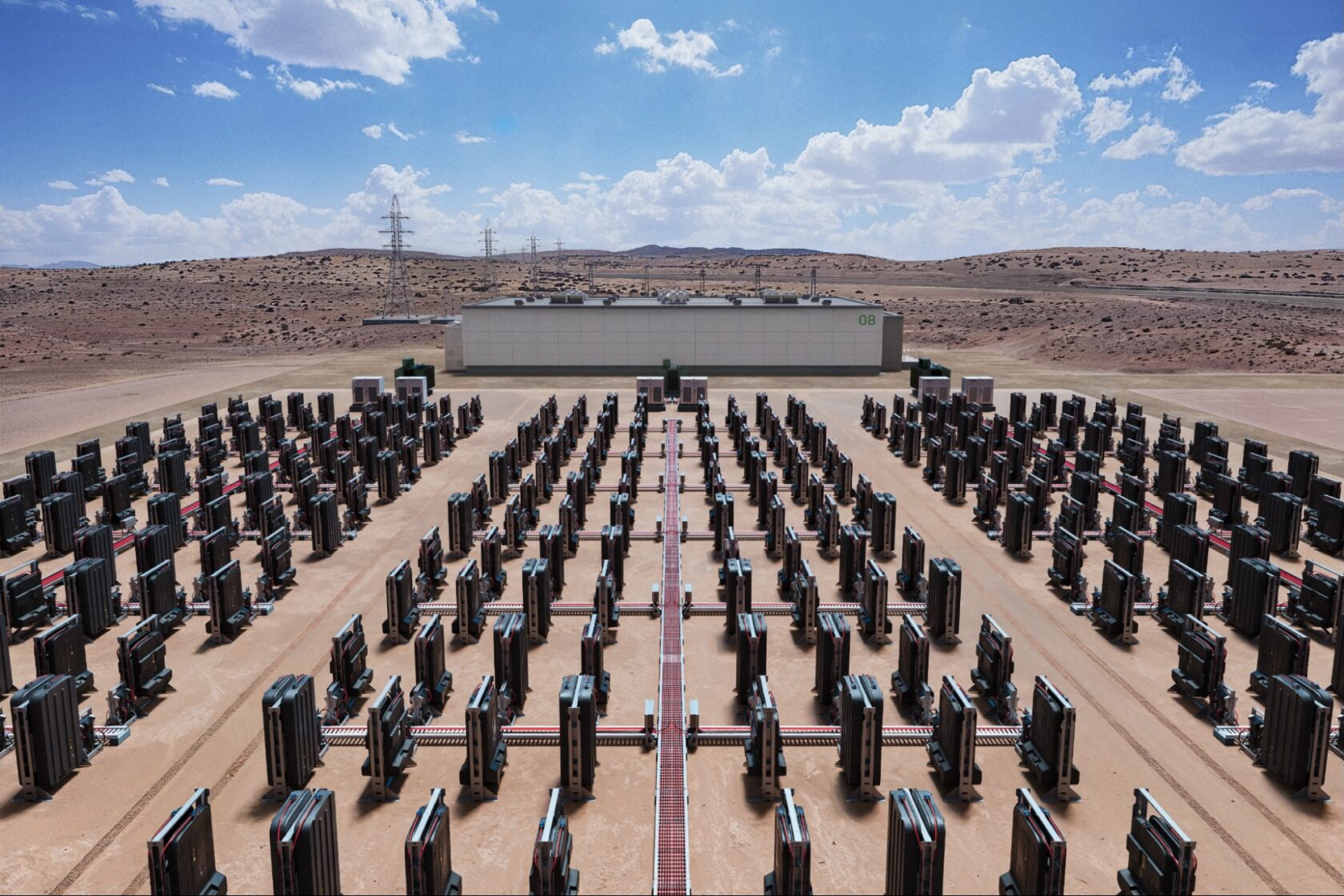
Electricity demand from AI is accelerating faster than new grid infrastructure can be built, leading to a bottleneck in the industry’s growth.
Redwood Materials is closing that gap by harnessing its expertise in battery engineering, power electronics and systems design to build large-scale, off-grid power solutions for AI factories — enabling new capacity to come online in months rather than years.
These 100%-recycled electric vehicle batteries are firming up power suppliers by acting as onsite energy storage to create a secure, flexible energy system for AI factories and the national grid at large.
The batteries are integrated into existing clean energy infrastructure with an AI intelligence layer — running on the NVIDIA Blackwell platform — that makes the system hypervigilant and adaptable to the real-time energy needs of the data center it’s supplying power to.
This approach also lowers the cost of power. Redwood’s simplified architecture — built on in-house power electronics — requires far fewer transformers and inverters, eliminates the need for an uninterruptible power supply, and can deploy repurposed or new electric vehicle batteries.
Details
“Using these batteries with our power electronics and systems control software, you can make a highly responsive power source that can deal with the novel fluctuations of AI training,” said Colin Campbell, chief technology officer of Redwood Materials, another NVIDIA Inception member.
TerraPower’s Natrium Reactor Sets New Standard for Safe, Sustainable Nuclear Power
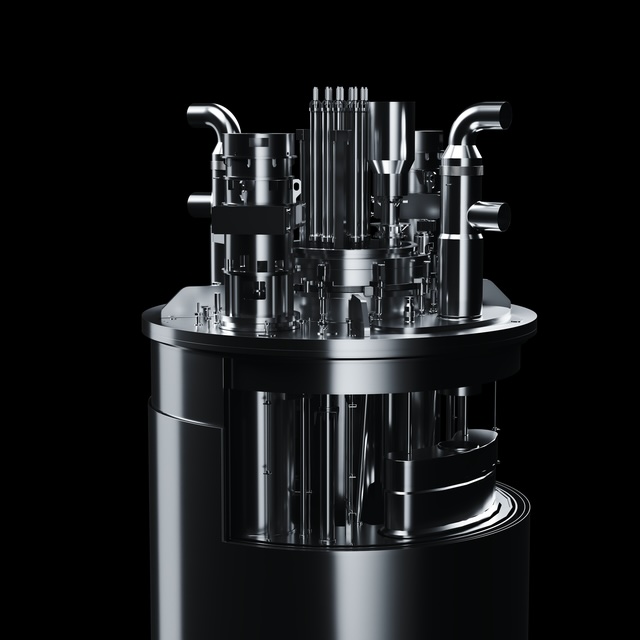
Nuclear energy currently powers 20% of the nation’s electricity. TerraPower is working to make sure that more power is safe, sustainable and quickly harnessable through its emission-free Natrium reactor.
“Twenty years ago, our founders, including Bill Gates, realized that emissions avoidance should also be a part of this energy solution,” said Chris Levesque, president and CEO of TerraPower.
TerraPower is connecting an NVIDIA Omniverse-powered platform to create digital twin software that will support its efforts to accelerate the siting and delivery of future plants from years to months.
Natrium reactors have a unique design that separates them from traditional nuclear power; they’re cooled with liquid metal sodium instead of water — allowing them to operate at a lower pressure, equivalent to atmospheric pressure. This reactor doesn’t require offsite water or electricity to keep it stable — in the event of an emergency, it can keep itself cool without any intervention.
Commonwealth Fusion Systems Creates Fusion Energy Ready for the Grid
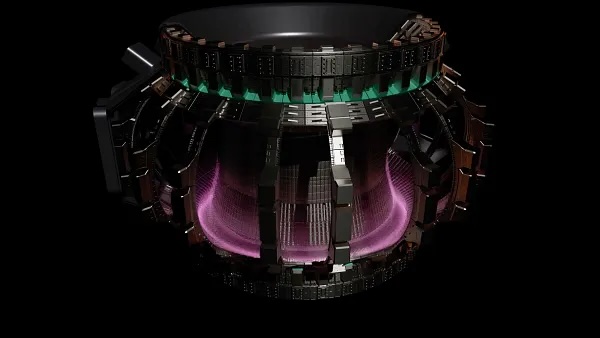
Fusion energy is poised to join the clean energy stack in the 2030’s, thanks to Commonwealth Fusion Systems (CFS).
With the help of NVIDIA Omniverse libraries and OpenUSD, CFS is compressing years of experimentation into weeks for its SPARC tokamak demonstration fusion machine, which can successfully replicate the sun’s power source on Earth.
Fusion energy is a carbon-free, safe source of power.
“With fusion, there’s no running out of control,” said Brandon Sorbom, cofounder and chief science officer of CFS. “It is passively safe, since the default mechanism is shutting itself down.”
Using high-temperature superconductors, CFS enables stronger magnetic fields than previous fusion systems.
These magnets allow SPARC’s design to be 40x smaller and, by extension, cheaper to build and operate. The company’s ARC power plant — the first of which will be built in Chesterfield County, Virginia, and will connect to the grid in the 2030s — is more than 10x smaller.
“We will be able to build a first-of-its-kind plant that will be cost-competitive with both renewable and nonrenewable sources of energy,” said Sorbom.
Explore more NVIDIA-powered sustainability use cases.
Source
Originally published at blogs.nvidia.com.